Crafting Exceptional Custom Fresh Produce Boxes: A Progressive Walkthrough
Building custom produce boxes demands a calculated strategy. Professionals must examine sustainability, practicality, and visual appeal. Picking the suitable materials is crucial for maintaining freshness and supporting eco-friendly methods. Furthermore, size and configuration can significantly influence usability and transport efficiency. Effective graphics strengthen brand recognition, while detailed assessment ensures durability. Understanding these elements will reveal key insights into producing exceptional packaging strategies that appeal with consumers. What comes next is fundamental to accomplishing those goals.
Selecting the Appropriate Materials for Custom Produce Boxes
When selecting materials for custom produce boxes, it is essential to review both functionality and sustainability. The choice of material considerably affects the box's durability, weight, and ability to preserve the contents. Common materials include corrugated cardboard, which supplies strength and is recyclable, making it a preferred choice for eco-conscious businesses. Biodegradable options, such as molded pulp or plant-based plastics, also embrace eco-friendly practices while offering sufficient protection for delicate produce.
Moreover, dampness protection is necessary for keeping quality consistent, causing some vendors to assess treated materials or specialized coatings. The aesthetic appeal of the box cannot be dismissed, since brand positioning and graphical elements can determine consumer perception. Ultimately, the appropriate material should balance between maintaining product integrity, engaging consumers, and meeting ecological requirements, confirming that performance and sustainable practices are emphasized within the applicable information development procedure.
How to Determine Size and Shape for Functionality?
When selecting the size and shape of custom produce boxes, thorough evaluation of produce dimensions is crucial for proper storage. Additionally, attention to handling and transport can impact the box design, ensuring ease of movement. Optimizing shelf space usage further improves functionality, enabling effective presentation and organization.
Examine Produce Dimensions Thoroughly
Assessing the suitable size and shape for vegetable boxes is fundamental for functionality and efficiency. Thorough measurement of produce dimensions is indispensable, as it guarantees that goods fit snugly without surplus room that could produce damage during logistics and storage. Custom boxes need to support various shapes, from soft-skinned fruits to bulky vegetables, while sustaining durability. Furthermore, the depth and height of the boxes should facilitate stacking and organization, optimizing space in storage areas. A expertly built box not only protects the produce but also strengthens consumer attraction for consumers. To sum up, careful consideration of dimensions contributes to reducing waste and advancing overall user experience in the supply chain.
Consider the Oversight of Handling and Transport
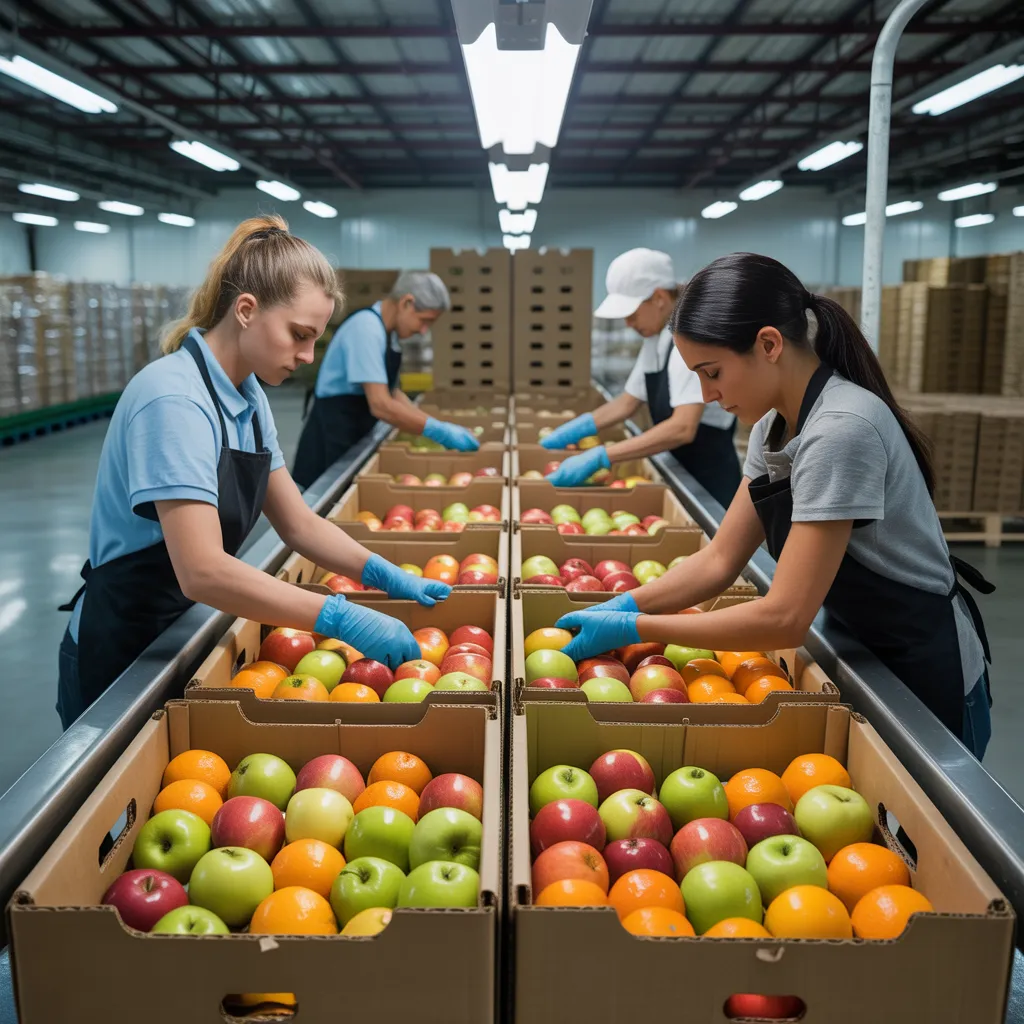
Handling and delivery considerations play a major role in determining the appropriate size and configuration of custom produce containers. The dimensions need to contain the produce with no excessive space, which might cause movement and damage in transit. Smaller, compact boxes make simpler management, whereas big containers might prove essential to handle larger products. Additionally, thoughtful design remains essential; grip points or openings should get strategically placed in order to allow for comfortable lifting and transport. The form relating to the container also affects stacking and stability, guaranteeing which goods remain secure. Finally, thorough thought regarding such factors strengthens the productivity in transport, decreases item loss, while supports the overall integrity concerning the fresh goods beginning at field to consumer.
Maximize Shelf Space Efficiency
Smart shelf space usage is based on determining the proper form and dimensions of purpose-built storage containers. Developers should take into account the layout specifications of the shelving units as well as the sorts of produce being positioned. Rectangular boxes often solidify space optimization, permitting for smoother stacking and alignment. Alternatively speaking, irregular designs can amplify aesthetic quality but may lead towards wasted space if not meticulously planned.
It's necessary to analyze the inventory turnover rate; rapidly-moving items might benefit with compact, easily reachable containers. Likewise, adopting customizable or modular designs can facilitate varying dimensions of produce while maximizing shelf organization. By highlighting practicality with visual appeal, firms can build a practical and attractive display that strengthens both accessibility and item visibility.
How to Generate Graphics That Attract Engagement?
Striking visuals can turn a simple custom produce box into a visual masterpiece that captures focus. To accomplish this, artists should begin by picking a color palette that reflects the freshness and liveliness of the produce. Bright, eye-catching colors can trigger emotions of freshness and vitality, pushing consumers to take a closer look.
Using strong typefaces is also essential; clear and legible fonts can successfully convey key details while improving aesthetic quality. Additionally, incorporating high-quality images of the produce can establish instant rapport, displaying the item's excellence and attracting potential buyers.
In addition, integrating distinctive visuals and patterns can assist in distinguishing the brand in a crowded market. Consistency in visual aspects, such as logos and taglines, supports brand identity. Ultimately, a mixture of creativity and clarity in visual design can greatly elevate the impact of custom produce boxes, helping them become distinctive on shelves.
Eco-Friendly Practices for Custom Produce Box Packaging Solutions
A mounting count of businesses are taking up eco-friendly practices for custom produce box packaging, appreciating its importance in today's ecologically aware market. These practices often include the use of degradable materials, such as recycled paper and plant-based plastics, which curtail environmental impact. Companies are also zeroing in on sustainable sourcing, verifying that materials are obtained from responsibly managed forests or suppliers who prioritize environmental stewardship.
Additionally, many brands are selecting simple designs that reduce waste while still successfully showcasing their products. This strategy not only appeals to eco-conscious consumers but also aids in cutting down production costs. Moreover, businesses are progressively adopting efficient manufacturing processes that restrict energy consumption and waste generation. By integrating these sustainable practices, companies not only enhance their brand image but also contribute positively to the planet, aligning their operations with a sustainable future.
Inspect Your Custom Produce Box Design
Assessing the structure of specialized fruit containers is a important step in confirming they meet both aesthetic and functional specifications. This method generally entails examining aspects like durability, size, and usability. First, prototypes should be built to evaluate the container's build quality, ensuring it can withstand delivery and storage without harming the items.
Subsequently, functional tests can be initiated to establish how conveniently the boxes can be pried open, closed, and stacked. Input from future users can be vital in this stage, imparting insights into the box's practical value.
Moreover, the visual attractiveness of the design should be tested through focus group discussions or customer surveys, determining customer feedback to brand identity elements, colors, and overall presentation.
In the end, comprehensive testing allows designers to enhance the box, guaranteeing it not only attracts customers but also adequately safeguards and presents the produce within, striking the right balance between form and function.
Showcasing Your Custom Produce Boxes Successfully
Effective marketing of custom vegetable containers requires a well-planned strategy that underscores their unique features and benefits. Businesses must prioritize identifying their target audience, including local farms, grocery stores, or individual consumers. Utilizing social media platforms can amplify brand awareness, showcasing the boxes' design and practicality through compelling visuals and storytelling.
Additionally, teaming up with local influencers or farmers can strengthen standing and expand customer base. Delivering incentives or cost savings during peak demand times can capture initial consumers and encourage repeat business.
In addition, stressing eco-conscious values and sustainable practices in marketing materials can attract environmentally conscious consumers. Sharing detailed information about the materials used and the benefits of customized packaging solutions can further distinguish the goods in a competitive market.
In the end, a detailed promotional approach that merges internet-based and community-based undertakings will effectively market custom produce boxes, appealing to a diverse clientele and driving sales.
Regularly Asked Inquiries
What Are the Fees Linked to Custom Produce Box Development?
Expenses part of custom produce box design consist of materials, printing, labor requirements, and delivery costs. In addition, design expertise and batch minimums can affect total expenses, leading to fluctuating prices based on specific needs and manufacturing size.
How much time Does It Take to Produce Custom Boxes?
Crafting customized boxes usually takes two to six weeks. Determinants that influence this duration comprise intricacy of design, materials sourcing, and manufacturing capacity, each of which might impact shipment timelines and lead times.
May I Submit an Request for a Minimal Quantity of Bespoke Produce Boxes?
Yes, small quantities of custom produce boxes can typically be placed. Many suppliers extend minimum order quantities, permitting organizations or people to acquire personalized packaging options without having to dedicate to large amounts initially.
What Are Common Mistakes to Prevent in Personalized Box Design?
Frequent errors in custom box design encompass neglecting functionality, ignoring brand consistency, undervaluing material quality, failing to take into account target audience preferences, and overlooking environmental impact. Each aspect is vital for successful packaging and customer satisfaction.
How Do I Verify My Boxes Are Food-Compliant?
To guarantee boxes remain food-safe, you should select materials approved for food contact, avoid harmful inks and adhesives, preserve cleanliness during production, and consistently monitor for compliance with health regulations and safety standards.